
Cultural perceptions influence gambling behaviors across different societies
Understanding Gambling Through Cultural Lenses
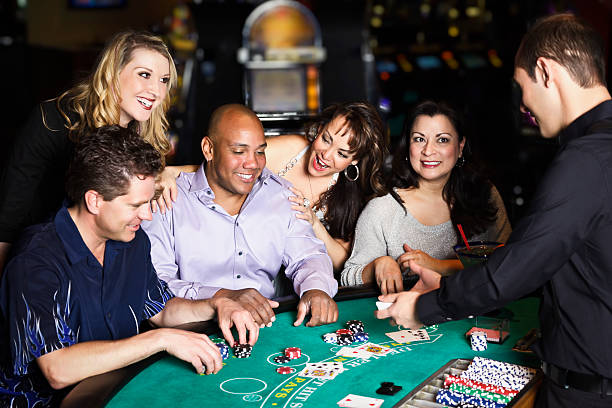
Cultural perceptions play a significant role in shaping gambling behaviors across various societies. In some cultures, gambling is viewed as a recreational activity, often associated with social gatherings and celebrations. In these environments, the act of gambling is often embraced, and individuals may engage in it as a form of entertainment without severe consequences. Many now enjoy the thrill of visiting an online casino from the comfort of their homes.
Conversely, in societies where gambling is stigmatized or linked to negative outcomes, individuals may approach it with caution or outright avoidance. The local beliefs, values, and norms can create a unique framework for how gambling is perceived and engaged with, influencing everything from casual play to more serious betting behaviors.
Historical Context of Gambling Practices
The historical background of gambling practices significantly informs contemporary perceptions. In ancient civilizations, gambling was often intertwined with religious rituals and was considered a means to communicate with deities. This historical context has influenced how various societies view the practice today, from ancient Rome’s use of dice to the lottery systems established in China.
Over time, as societies evolved, so did their gambling practices. In cultures where gambling became formalized through casinos or betting houses, perceptions shifted to view it as a legitimate industry. This historical evolution indicates that cultural attitudes towards gambling can change, influenced by economic, social, and legislative factors.
The Role of Religion in Gambling Attitudes
Religion significantly impacts cultural perceptions of gambling. In some faiths, gambling is strictly prohibited, leading to a negative association with the activity. For instance, many interpretations of Christianity and Islam view gambling as morally unacceptable, which can affect how followers engage with gambling in both public and private spheres.
In contrast, some cultures integrate gambling into religious celebrations or view it as a chance to seek fortune and luck. This duality shows that religious beliefs can either constrain or promote gambling behaviors, depending on the societal context and the interpretations of those beliefs.
Modern Influences on Gambling Culture
Modern globalization and technology have drastically transformed gambling behaviors and perceptions. Online gambling platforms have made gambling more accessible, transcending geographic and cultural boundaries. This increase in accessibility has led to a proliferation of new gambling cultures, where different societies can share practices and attitudes.
The portrayal of gambling in media and entertainment also influences public perception. Films, television shows, and advertising can glamorize or vilify gambling, shaping how individuals within different cultures view the practice. This interplay of modern influences continues to evolve, reflecting changes in cultural attitudes towards risk and reward.
About Our Website
Our platform aims to explore various topics related to gambling, focusing on how cultural perceptions influence behaviors across different societies. We provide insights and analyses that can help you understand the complexities surrounding gambling and its implications.
By offering a comprehensive resource, we strive to create a space for dialogue and understanding about gambling culture. Whether you are a casual player or deeply interested in the subject, our content is designed to engage and inform our audience about the diverse world of gambling.